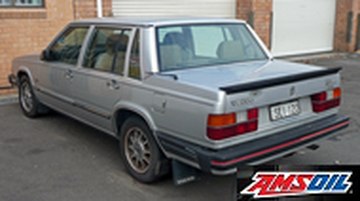
Lubrication Maintenance for the 1982 Volvo DIESEL 2.4L
Maintaining a diesel engine requires a disciplined approach to fluid management and component inspection. For the 1982 Volvo DIESEL equipped with the 2.4L D24 engine, consistent attention to lubrication systems is a fundamental aspect of long-term ownership. Because diesel combustion environments differ from gasoline engines, the quality and condition of the engine oil are central to the mechanical health of the vehicle.
Monitoring Fluid Integrity and Condition
A primary task for any owner is the regular observation of the engine oil's physical state. While routine changes are necessary, inspecting the lubricant between service intervals can provide early indicators of how the engine is performing. When checking the oil, look for significant changes in color or texture that might suggest contamination. For example, an unusual appearance in the oil may warrant further investigation to determine if external fluids or combustion byproducts have entered the system.
It is also useful to monitor for any signs of unexpected consumption. If you notice that the oil level on the dipstick is dropping more rapidly than anticipated between scheduled services, this should be investigated. Such changes can be associated with various factors, ranging from minor seal seepage to other internal mechanical processes. Rather than attempting a self-diagnosis, observing these trends allows for more informed discussions with a qualified technician.
Systematic Inspection of Seals and Connections
As vehicles age, the materials used in gaskets and seals can undergo changes due to thermal cycling and time. For the 1982 Volvo DIESEL, performing periodic visual inspections of the engine area is a practical way to monitor for potential issues. Focus on identifying any evidence of seepage or active leaks around various connection points and sealing surfaces.
When conducting these inspections, consider the following:
- Sealing Surfaces: Check for dampness or residue around areas where major engine components meet.
- Electrical and Sensor Connections: Inspect accessible wiring and electrical connectors for signs of oil contamination, which can sometimes occur if a leak is present nearby.
- External Components: If equipped, examine any visible hoses or auxiliary lines for signs of cracking, softening, or weeping.
Identifying these signs early through routine visual checks can help prevent more significant issues. It is important to remember that a small amount of seepage does not always indicate an immediate failure, but it serves as a useful baseline for monitoring the condition of the engine's sealing components over time.
Managing Long-Term Engine Health
Effective maintenance for a 1982 Volvo DIESEL often depends on how well an owner manages the transition from routine service to proactive care. As the vehicle continues through its lifespan, the focus may shift from simple part replacement to more comprehensive condition monitoring.
One of the most effective strategies is the establishment of a maintenance baseline. If you have recently acquired this vehicle and do not have access to a complete service history, performing a thorough inspection of all fluids and major components can help create that starting point. Once a baseline is established, any deviations—such as a new leak, a change in how the engine sounds, or a shift in fluid color—become much easier to identify.
Reviewing available repair records is also highly beneficial. Knowing when certain components were last serviced or replaced allows you to prioritize your maintenance efforts based on actual usage and component age rather than making assumptions. This data-driven approach helps distinguish between necessary preventive maintenance and unnecessary service, ensuring that resources are directed toward the most impactful tasks.
Observing Potential Operational Changes
Beyond visual inspections of fluids and seals, paying attention to how the engine operates can provide valuable feedback. Any new or unusual mechanical noises during startup or while idling should be noted. Similarly, changes in exhaust characteristics can sometimes be associated with the state of the engine's internal lubrication or combustion efficiency.
If you notice a warning light or indicator on the dashboard related to oil pressure or temperature, this requires immediate attention. Such indicators are critical signals that the system may not be operating within its intended parameters. Because symptoms like unusual noise or smoke can have multiple underlying causes, they should be treated as prompts for professional diagnostic investigation rather than definitive proof of a specific part failure.
Practical Approaches to Component Care
When performing routine service, it is helpful to look at the engine as an integrated system. For instance, if you are inspecting the oil, it is also a good time to check the condition of the air filtration system. A clean air intake is vital for ensuring that the engine receives the correct air-to-fuel ratio, which in turn helps maintain stable combustion and reduces the potential for excessive soot or contamination within the crankcase.
If the vehicle is equipped with various drive belts, these should be inspected for signs of wear such as glazing, fraying, or surface cracking. While these belts may not be directly related to the lubrication of the engine block, their condition is a key part of overall engine bay maintenance and ensures that accessory-driven components continue to function reliably.
Buying Engine Oil for your 1982 Volvo DIESEL 2.4L
Selecting the correct lubricant is essential for the continued operation of the D24 diesel engine. When you are ready to purchase new oil, do not rely on general automotive knowledge or assumptions based solely on the age of the vehicle. Instead, match your selection directly to the application-specific viscosity and requirements listed in the technical information provided on this page.
When shopping for products, keep these practical tips in mind:
- Verify Labeling: Always check the product packaging to ensure the oil meets the specific standards required for your engine.
- Consider Formulations: Depending on your specific needs and the current condition of your engine, you may choose between conventional, synthetic blend, or full synthetic oils. Some high-mileage formulations are also available, which contain additives intended for use in aging engines.
- Check Certification: Ensure the oil carries the appropriate API certification to confirm it meets modern quality and performance standards.
By strictly adhering to the viscosity and specification information displayed on this webpage, you ensure that your 1982 Volvo DIESEL receives the exact type of lubrication necessary for its design.